Warum Ihr teures Parfüm vor dem Mittagessen verfliegt (und wie Sie es beheben können)
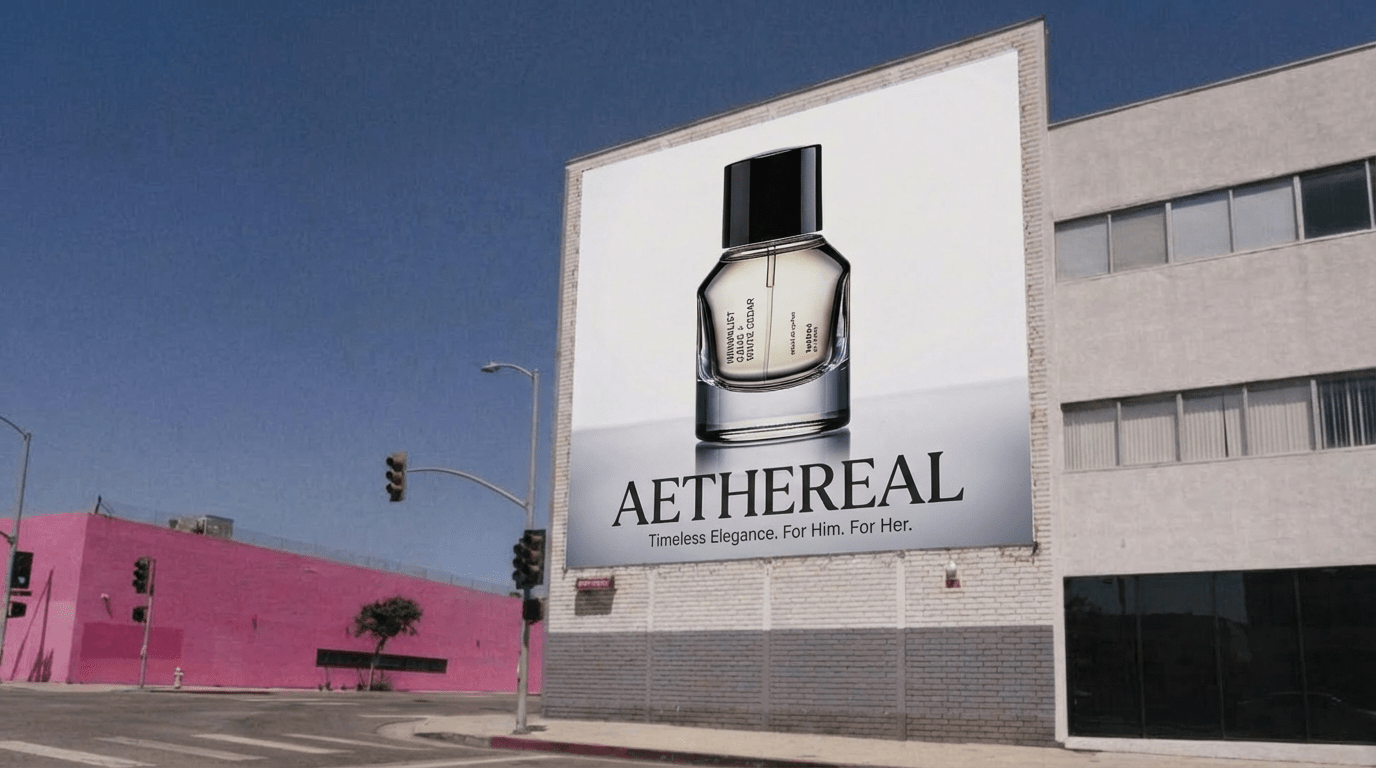
Es gibt eine besondere Art von Enttäuschung, die dem Moment vorbehalten ist, in dem man erkennt, dass der sorgfältig ausgewählte, ästhetisch abgefüllte, finanziell bedeutende Duft einen völlig im Stich gelassen hat. Es ist 11 Uhr morgens. Sie haben ihn um 7:30 aufgetragen. Sie riechen nichts. Sie neigen Ihr Handgelenk mit der Verzweiflung eines Menschen, der den Puls fühlt, und... nichts. Der Duft ist verschwunden. Er hat keine Weiterleitungsadresse hinterlassen.
Diese Erfahrung verbindet Duftliebhaber über Demografien, Preisklassen und Anwendungsmethoden hinweg. Die Frau, die in jene Maison Francis Kurkdjian-Flasche investiert hat, die sie monatelang begehrt hat. Der Herr, der sich nach drei separaten Probenbesuchen endlich für den Tom Ford entschieden hat. Die Person, die im Urlaub ein Nischenhaus entdeckt hat und nun ihr teures Souvenir nach dem morgendlichen Pendeln nicht mehr riechen kann.
Die Frustration ist universell. Die Lösungen hingegen sind überraschend spezifisch – und die meisten Menschen machen sie falsch.
Im Folgenden finden Sie eine umfassende Untersuchung, warum Düfte nicht wirken und, was noch wichtiger ist, wie Sie sicherstellen können, dass Ihrer es tut. Betrachten Sie es als eine Strategie zum Schutz Ihrer olfaktorischen Investitionen.
Die unbequeme Wahrheit über Ihre Haut
Beginnen wir mit dem Faktor, über den niemand sprechen will: Ihre Haut könnte das Problem sein.
Das ist keine Wertung. Hautchemie ist genetisches Glücksspiel, kein persönliches Versagen. Aber die Haut mancher Menschen metabolisiert Duftstoffe tatsächlich schneller als die anderer und baut Duftmoleküle mit einer Effizienz ab, die an Feindseligkeit grenzt. Diese Personen können das hartnäckigste Oud-basierte Extrait auf dem Markt auftragen und finden sich innerhalb von Stunden duftlos wieder, während ihre Freunde, die denselben Duft tragen, beim Abendessen noch eine Duftwolke hinter sich herziehen.
Wenn jeder Duft, den Sie je getragen haben – unabhängig von Marke, Konzentration oder Preisklasse – ungewöhnlich schnell zu verfliegen scheint, haben Sie möglicherweise einfach das, was die Branche diplomatisch als „herausfordernde Hautchemie“ bezeichnet. Der pH-Wert Ihrer Haut, die Ölproduktion und das natürliche Mikrobiom beeinflussen alle, wie sich ein Duft entwickelt und hält. Einige dieser Faktoren können beeinflusst werden; andere müssen einfach berücksichtigt werden.
Die Anpassungsstrategien kommen. Aber zuerst wollen wir die Fehler ansprechen, die Sie möglicherweise machen.
Das Hydrationsgebot
Trockene Haut und Duftstoffe stehen in einer Beziehung gegenseitiger Antagonismus. Duftmoleküle benötigen etwas, an dem sie haften können – sie suchen Halt, eine Oberfläche, die sie festhält, anstatt sie in die Luft verdunsten zu lassen. Trockene Haut bietet nichts. Es ist das olfaktorische Äquivalent dazu, auf einer staubigen Tafel zu schreiben: nichts bleibt haften, alles verflüchtigt sich, und man fragt sich, warum man sich überhaupt die Mühe gemacht hat.
Die Lösung ist fast peinlich einfach: Feuchtigkeit spenden, bevor du Duft aufträgst.
Nicht danach. Davor. Und idealerweise mit einer unparfümierten Lotion, es sei denn, du möchtest, dass dein sorgfältig ausgewähltes Parfum mit der „Meeresbrise“ oder den „Vanilleträumen“ konkurriert, die deine Körpercreme beisteuert.
Trage deine Feuchtigkeitscreme auf, lass sie ein oder zwei Minuten einziehen und trage dann deinen Duft auf dieselben Stellen auf. Der Unterschied in der Haltbarkeit kann wirklich dramatisch sein – wir sprechen von mehreren Stunden zusätzlichem Tragekomfort durch eine dreißigsekündige Maßnahme.
Für maximale Wirkung solltest du in Erwägung ziehen, vor dem Auftragen des Dufts eine dünne Schicht eines okklusiven Mittels (Vaseline, Aquaphor oder Ähnliches) auf die Pulspunkte aufzutragen. Das schafft eine Barriere, die die Verdunstung erheblich verlangsamt. Ja, es fühlt sich etwas klinisch an. Ja, es funktioniert bemerkenswert gut.
Die Mythologie der Pulspunkte
Man hat dir gesagt, du sollst Duft auf deine Pulspunkte auftragen – Handgelenke, Hals, hinter den Ohren – weil diese Bereiche Wärme erzeugen, die hilft, den Duft zu verbreiten. Das ist technisch korrekt. Es ist aber auch eine unvollständige Strategie, die mehrere überlegene Auftragsstellen ignoriert.
Ziehe folgende Ergänzungen zu deiner Routine in Betracht:
Die Brust. Duft auf dein Dekolleté oder den Brustbereich (unter der Kleidung) aufzutragen, erzeugt einen wärmenden Effekt, der den Duft den ganzen Tag über nach oben projiziert. Der Duft steigt auf und schafft eine subtile, aber beständige Aura, die für dich selbst und jeden im Gesprächsabstand wahrnehmbar ist.
Die inneren Ellbogen. Weniger dem Händewaschen ausgesetzt als die Handgelenke, sind die inneren Ellbogen warm, meist durch natürliche Körperöle befeuchtet und vor Umwelteinflüssen geschützt. Duft, der hier aufgetragen wird, hält deutlich länger als am Handgelenk.
Das Haar. Haare halten Duft wunderschön – die Fasern fangen Duftmoleküle ein und geben sie im Laufe des Tages allmählich ab, besonders wenn du dich bewegst. Aus der Entfernung auftragen (mindestens sechs Zoll), um alkoholbedingte Trockenheit zu vermeiden, oder deinen Haarbürste besprühen und durchkämmen. Die Sillage, wenn dein Haar sich bewegt, ist wirklich bezaubernd.
Kleidung. Stoff hält Duft länger als Haut, Punkt. Naturfasern – Wolle, Kaschmir, Baumwolle, Seide – sind besonders effektiv. Der Duft hält mehrere Tragezeiten, manchmal sogar Waschgänge durch. (Das ist je nach Perspektive und Waschgewohnheiten entweder ein Feature oder ein Bug.)
Der Schlüssel ist strategisches Schichten: Haut für das erste Erlebnis, Haare für bewegungsaktivierte Sillage, Kleidung für verlängerte Haltbarkeit.
Die große Reibungs-Kontroverse
Du hast dir die Handgelenke aneinander gerieben, nachdem dir jemand – wahrscheinlich ein Elternteil, ein Magazin, ein gutmeinender Freund – gesagt hat, dass man das so macht, nachdem man Duft aufgetragen hat. Seitdem hast du deine Duftinvestition zunichtegemacht.
Die Reibung durch Rubbeln „aktiviert“ nichts. Was sie bewirkt, ist die Erzeugung von Wärme, die die Verdunstung der Kopfnote beschleunigt – jener ersten, leichteren Moleküle, die den ersten Eindruck schaffen. Sie spulen im Grunde die Eröffnung Ihres Dufts vor, degradieren die Komposition und reduzieren die Gesamthaltbarkeit.
Auftragen. Trocknen lassen. Nicht berühren.
Wenn sich das wie nichts tun anfühlt, Glückwunsch – Sie machen es richtig.
Die Lagerungssituation
Wo Sie Ihren Duft aufbewahren, ist wichtiger, als Sie vielleicht denken, und der häufigste Lagerort – das Badezimmer – ist ungefähr die schlechteste Wahl.
Duft zersetzt sich durch Hitze, Licht und Feuchtigkeit. Badezimmer bieten alle drei im Überfluss. Dieses schöne Arrangement von Flakons auf Ihrem Schminktisch, von natürlichem Licht am Fenster hinterleuchtet? Es zerstört langsam Ihre Sammlung. Der Dampf Ihrer Dusche, die Temperaturschwankungen, die allgemeine Feuchtigkeit des Raums – all das beschleunigt den Abbau der Duftmoleküle.
Optimale Lagerung ist kühl, dunkel und konstant. Eine Schublade im Schlafzimmer, ein Regal im Schrank, ein spezieller Duftschrank, wenn Ihre Sammlung dies rechtfertigt. Bewahren Sie Flakons wenn möglich in ihren Originalverpackungen auf – die Verpackung bietet eine zusätzliche Schutzschicht gegen Licht und Temperatur.
Für besonders wertvolle Flakons lagern einige Sammler den Duft im Kühlschrank. Das ist für den täglichen Gebrauch vielleicht übertrieben, aber es lohnt sich, dies für Vintage- oder eingestellte Düfte in Betracht zu ziehen, die Sie bewahren möchten.
Das Gespräch über die Konzentration
Nicht alle Düfte sind hinsichtlich der Konzentration gleich geschaffen, und das Verständnis dieser Hierarchie erklärt einen großen Teil der Variation in der Haltbarkeit:
Eau fraîche (1-3% Duftöl): Im Wesentlichen parfümiertes Wasser. Erwartung von höchstens ein bis zwei Stunden. Dies sind Körpersprays, keine ernsthaften Düfte.
Eau de cologne (2-4%): Leicht und erfrischend, traditionell zitrusbetont. Haltbarkeit von zwei bis drei Stunden unter optimalen Bedingungen.
Eau de toilette (5-15%): Die Standardkonzentration für die meisten Designer-Düfte. Drei bis fünf Stunden sind typisch, obwohl hochwertige Formulierungen dies übertreffen können.
Eau de parfum (15-20%): Reichere Konzentration, längere Haltbarkeit. Fünf bis acht Stunden sind eine realistische Erwartung.
Extrait de parfum / Parfum (20-30%): Die höchste üblicherweise verfügbare Konzentration. Acht bis zwölf Stunden, manchmal länger, bei entsprechender Anwendung.
Wenn ein Duft schnell zu verfliegen scheint, überprüfen Sie die Konzentration. Dieser „gleiche Duft“, der als Eau de Toilette und Eau de Parfum erhältlich ist, ist tatsächlich nicht derselbe – Sie erhalten unterschiedliche Konzentrationen, die unterschiedlich wirken. Wenn Langlebigkeit Priorität hat, investieren Sie in höhere Konzentrationen. Der Preis pro Flasche ist höher; der Preis pro Stunde Tragezeit oft nicht.
Das Phänomen der Nasenblindheit
Hier ist eine unangenehme Möglichkeit: Ihr Duft könnte genau so wirken, wie beabsichtigt, und Sie haben einfach aufgehört, ihn wahrzunehmen.
Olfaktorische Ermüdung – umgangssprachlich als „nasenblind“ bekannt – ist die Art Ihres Gehirns, konstante Reize herauszufiltern, damit es sich auf neue Informationen konzentrieren kann. Sie hören auf, Ihr eigenes Zuhause nach fünfzehn Minuten zu riechen. Sie können Ihren eigenen Körpergeruch nicht genau einschätzen. Und Sie sind überzeugt, dass Ihr Parfum verschwunden ist, obwohl es tatsächlich noch vorhanden ist, nur nicht mehr von Ihrer angepassten Nase registriert wird.
Dieses Phänomen ist besonders ausgeprägt bei Düften, die Sie häufig tragen. Ihr Gehirn kategorisiert den Duft als „bekannt, konstant, keine Aufmerksamkeit erforderlich“ und hört einfach auf, ihn Ihrem bewussten Wahrnehmungsvermögen zu melden.
Bevor Sie schließen, dass Ihr Duft eine schlechte Haltbarkeit hat, fragen Sie jemand anderen. Einen Kollegen, einen Freund, ein Familienmitglied – jemanden, der den ganzen Tag nicht in Ihrem Duft „geschmort“ hat. Deren Nase kann wahrnehmen, was Ihre nicht kann.
Wenn der Duft für andere noch wahrnehmbar ist, liegt das „Problem“ in der Wahrnehmung, nicht in der Leistung. Erwägen Sie, Düfte zu wechseln, um zu verhindern, dass Ihre Nase sich zu sehr an einen einzelnen Duft gewöhnt.
Die Realität der Notenaufteilung
Verschiedene Duftkomponenten haben unterschiedliche Molekulargewichte, und das Molekulargewicht beeinflusst direkt, wie lange eine Note anhält. Dieses Verständnis ermöglicht eine informiertere Duftauswahl:
Kopfnote (Bergamotte, Zitrone, Grapefruit, die meisten Zitrusfrüchte, leichte Blumen): Kleine, flüchtige Moleküle, die schnell verdampfen – typischerweise innerhalb von fünfzehn bis dreißig Minuten. Sie sind der erste Eindruck, der Auftakt. Wenn Ihr Lieblingsteil eines Duftes die spritzige Zitruseröffnung ist, verstehen Sie, dass Sie sich in den Teil verlieben, der immer als temporär gedacht war.
Herznoten (Rose, Jasmin, die meisten Blumen, Gewürze): Moleküle mittlerer Gewichtsklasse, die erscheinen, wenn die Kopfnote verblasst, und mehrere Stunden anhalten. Dies ist der Kern der meisten Düfte, der Teil, den Sie am längsten erleben werden.
Basisnoten (Hölzer, Moschus, Amber, Harze, Vanille, Oud): Schwere Moleküle, die langsam verdampfen und acht, zwölf oder sogar vierundzwanzig Stunden anhalten können. Sie sind das Fundament, die bleibende Spur, der Duft, der am nächsten Tag noch an Ihrem Schal wahrnehmbar ist.
Wenn jeder Duft, den Sie tragen, schnell zu verfliegen scheint, überprüfen Sie Ihre Vorlieben. Neigen Sie zu Kompositionen, die stark auf Zitrusfrüchte und leichte Blumen setzen? Diese Düfte sind für Frische und sofortige Wirkung konzipiert, nicht für langanhaltende Beständigkeit. Wenn Sie Haltbarkeit wünschen, suchen Sie nach Düften, bei denen Basisnoten eine prominente Rolle in der Komposition spielen.
Die Frage der Auftragsmenge
Es gibt die Annahme, dass mehr Duft automatisch die Haltbarkeit verlängert. Das ist teilweise wahr und größtenteils problematisch.
Zusätzliche Sprühstöße erhöhen zwar die Konzentration der Duftmoleküle auf der Haut, was die Erkennbarkeit des Duftes geringfügig verlängern kann. Allerdings gibt es abnehmende Erträge – und erhebliche soziale Kosten.
Übermäßiges Auftragen verlängert die Haltbarkeit nicht proportional; es erhöht hauptsächlich die Projektion (wie weit der Duft von Ihrem Körper aus strömt). Sie werden Ihren Duft nicht drei Stunden länger riechen, aber jeder im Umkreis von drei Metern wird ihn dreimal intensiver wahrnehmen. So wird man „die Person“ im Büro, im öffentlichen Verkehr, in geschlossenen Räumen, in denen andere nicht mit Ihren Duftwahlen einverstanden sind.
Die bessere Strategie: Tragen Sie eine normale Menge an mehreren Stellen auf, statt eine übermäßige Menge an einer einzigen Stelle. Drei Sprühstöße verteilt auf Brust, Handgelenke und Haare wirken besser als sechs Sprühstöße konzentriert auf den Hals – und Ihre Kollegen müssen keine formellen Beschwerden einreichen.
Die Schichtungsstrategie
Raffiniertes Dufttragen beinhaltet oft das Schichten – den Aufbau des Duftes durch mehrere Produkte, die sich gegenseitig verstärken. Dieser Ansatz kann die Haltbarkeit deutlich verlängern und ein komplexeres, persönlicheres Dufterlebnis schaffen.
Die einfachste Variante: Verwenden Sie passende Körperpflegeprodukte aus Ihrer Duftlinie. Duschgel, Körperlotion und Duft aus derselben Reihe schaffen eine Grundlage, die die Leistung des Parfums verlängert und bereichert. Besonders die duftende Lotion bietet sowohl Feuchtigkeit, die die Haftung des Duftes verbessert, als auch eine Basisschicht, die die Hauptanwendung unterstützt.
Fortgeschrittener: Kombinieren Sie ergänzende Düfte. Eine Basis aus Vanille oder Moschus, die unter einem komplexeren Duft getragen wird, kann dessen Langlebigkeit verlängern und gleichzeitig Tiefe hinzufügen. Einige Häuser entwerfen Düfte speziell zum Schichten – ihre Kollektionen werden so zu einer Palette, aus der Sie Ihre eigene einzigartige Komposition erstellen.
Das wesentliche Prinzip: Jede Schicht liefert zusätzliche Duftmoleküle und weitere Oberflächen, an denen der Duft haften kann. Mehr Schichten bedeuten in der Regel längere Haltbarkeit.
Die Realität der Nachapplikation
Manchmal möchte man trotz optimaler Lagerung, strategischer Anwendung und angemessener Erwartungen den Duft im Laufe des Tages einfach auffrischen. Das ist völlig akzeptabel und keineswegs, wie manche behaupten, ein Eingeständnis des Scheiterns.
Tragen Sie einen Reisezerstäuber bei sich – die meisten Parfümhäuser verkaufen sie, und es gibt Abfüllservices genau für diesen Zweck. Eine kleine, tragbare Version Ihres Duftes ermöglicht diskrete Auffrischungen ohne das Volumen einer ganzen Flasche.
Das Schlüsselwort lautet diskret. Halten Sie Abstand zu anderen. Tragen Sie es im Badezimmer, in einem leeren Flur oder draußen auf. Maximal ein bis zwei Sprühstöße. Das Ziel ist Erfrischung, nicht eine erneute Ankündigung.
Manche Düfte entfalten sich tatsächlich wunderschön, wenn sie über ihrem eigenen Trocknungszustand geschichtet werden, wobei die frischen Kopfnote gegen die anhaltende Basis spielen. Andere werden matschig oder überwältigend. Experimentieren Sie zu Hause, bevor Sie eine erneute Anwendung am Mittag in professionellen Umgebungen versuchen.
Die Erwartungsanpassung
Abschließend ein Wort zu realistischen Erwartungen.
Kein Duft hält ewig. Die zwölfstündigen Haltbarkeitsangaben in Werbematerialien sind Best-Case-Szenarien, gemessen unter idealen Bedingungen, wahrscheinlich an einem Labortechniker, der sehr still in einer temperaturkontrollierten Umgebung saß. Die Leistung in der realen Welt umfasst Bewegung, Temperaturschwankungen, unbeabsichtigtes Händewaschen und ungefähr siebzehn weitere Variablen, die Werbematerialien bequem ignorieren.
Ein Duft, der vier bis sechs Stunden wahrnehmbar ist, funktioniert gut. Ein Duft, der acht Stunden oder länger hält, ist außergewöhnlich. Ein Duft, der wirklich von der morgendlichen Anwendung bis zum abendlichen Event hält – durch einen ganzen Arbeitstag, eine Trainingseinheit, den Arbeitsweg und was das Leben sonst noch bereithält – ist entweder eine absolute Kompositionsbestie oder wurde auf Kleidung aufgetragen, was im Grunde Schummeln ist, aber auch völlig legitim.
Passen Sie Ihre Erwartungen an. Planen Sie eine erneute Anwendung, wenn es angebracht ist. Und hören Sie auf, Ihre Düfte an Standards zu messen, die kein Duft dauerhaft erfüllen kann.
Das umfassende Protokoll
Für diejenigen, die eine umsetzbare Zusammenfassung schätzen, hier die vollständige Routine zur Maximierung der Haltbarkeit:
- Duschen Sie und sorgen Sie dafür, dass die Haut sauber, aber nicht frisch mit aggressiven Produkten gereinigt ist, die natürliche Öle entfernen.
- Tragen Sie unparfümierte Feuchtigkeitscreme auf alle vorgesehenen Duftauftragsstellen auf. Lassen Sie sie einziehen.
- Optional eine dünne Schicht okklusiven Balsams auf die Pulspunkte auftragen, um die Duftbindung zu maximieren.
- Tragen Sie den Duft an mehreren Stellen auf: Brust, Innenseiten der Ellbogen, Handgelenke (ohne zu reiben), hinter den Ohren und leicht ins Haar.
- Optional auf Kleidung auftragen, insbesondere auf Naturfasern, die den ganzen Tag nah an der Haut liegen.
- Lassen Sie den Duft natürlich trocknen, ohne zu berühren, zu reiben oder ihn sofort mit Kleidung zu bedecken.
- Bewahren Sie die Duftflasche nach Gebrauch an einem kühlen, dunklen Ort auf.
- Tragen Sie bei Bedarf einen Reisezerstäuber für Auffrischungen mit sich.
- Denken Sie daran, dass sich Ihre Nase anpasst, bewerten Sie die Haltbarkeit daher durch die Wahrnehmung anderer und nicht nur durch Ihre eigene.
- Akzeptieren Sie, dass gewisse Schwankungen normal, erwartet und kein persönliches Versagen sind.
Ihr Duft wurde entwickelt, um Freude zu bereiten, Erinnerungen zu schaffen und etwas darüber auszudrücken, wer Sie sind und wer Sie sein möchten. Er wurde nicht dafür entworfen, einen Triathlon zu überstehen.
Gehen Sie entsprechend damit um.